

Protecting Electronics Without Water Damage: The Role of Clean Agent Fire Suppression Systems
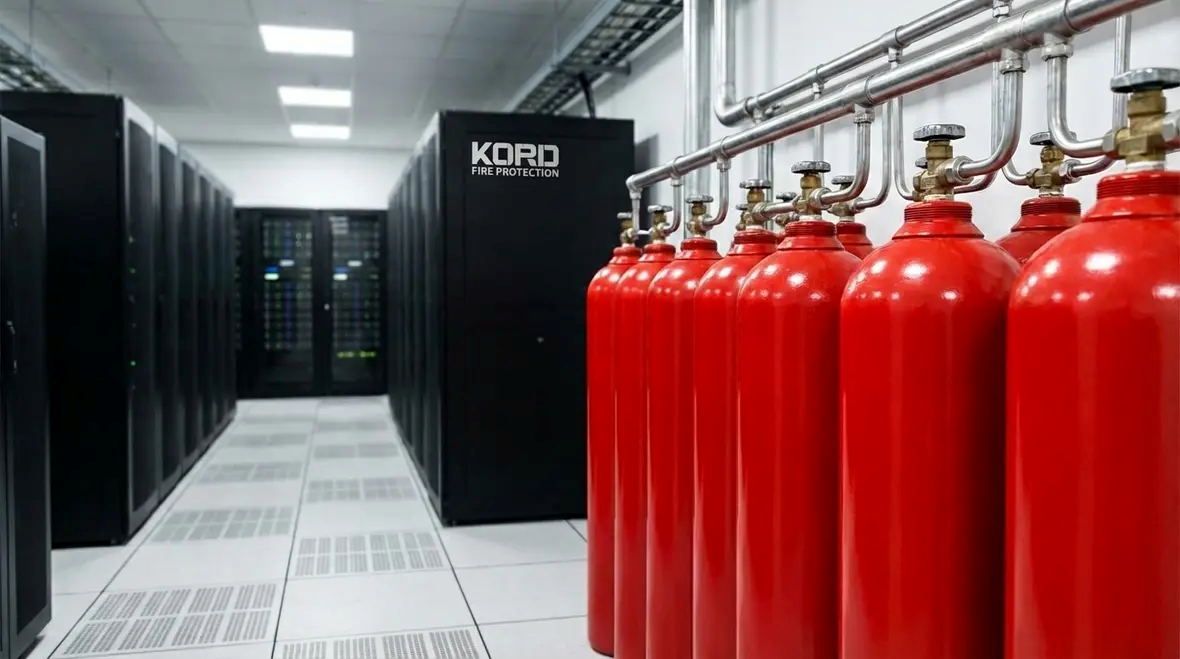
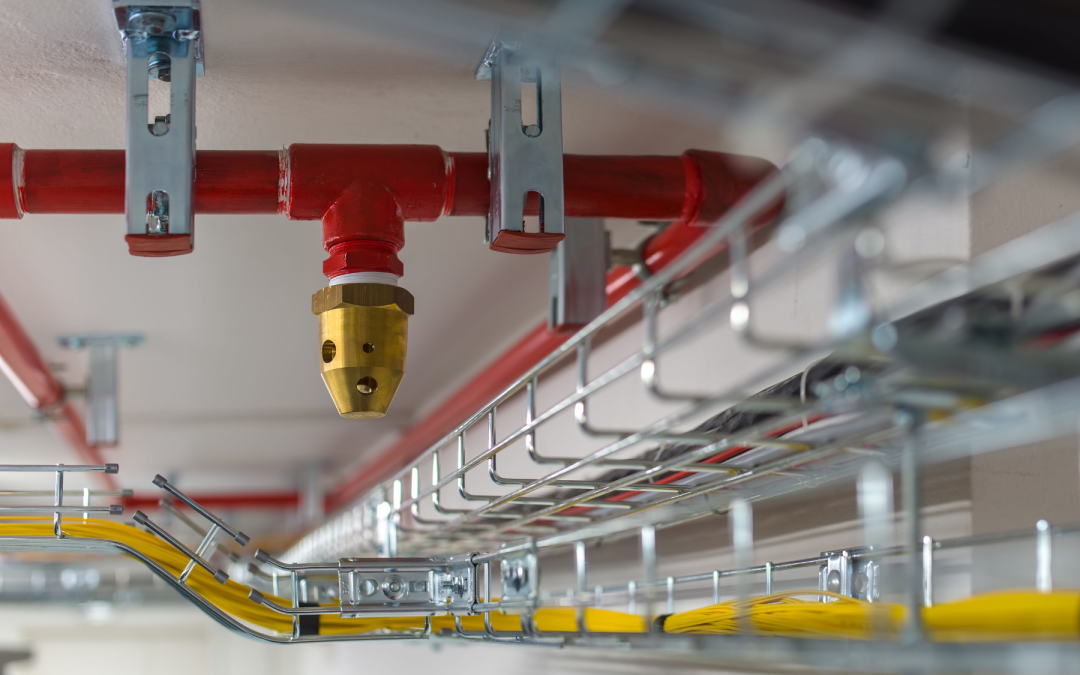
clean agent system close up
Clean agent systems protect sensitive electronics, data, and critical equipment while reducing water damage and downtime risks.
LOS ANGELES, CA, UNITED STATES, June 30, 2026 /EINPresswire.com/ -- LOS ANGELES, CA, June 29th 2026 — Kord Fire Protection is sharing guidance for facility owners, property managers, engineers, and building operators reviewing clean agent fire suppression systems for spaces where electronics, data, control equipment, archives, or high-value assets require protection beyond traditional water-based suppression.Clean agent systems are commonly used in environments where water discharge, foam residue, or dry chemical cleanup could create serious secondary damage. These systems are often considered for server rooms, data centers, electrical rooms, telecom spaces, laboratories, museums, document storage areas, control rooms, and other mission-critical areas where equipment loss or business interruption can become a major operational issue.
Unlike standard sprinkler systems, clean agent systems are designed to suppress fire without leaving residue after discharge. This makes them especially important in rooms containing electronics, energized equipment, hard drives, control panels, specialized machinery, or sensitive records. The goal is not only to suppress a fire, but to reduce the chance that the fire protection response creates avoidable damage to the assets the system is meant to protect.
Clean agent fire suppression is generally addressed through NFPA 2001, the Standard on Clean Agent Fire Extinguishing Systems. The standard covers requirements for system design, installation, acceptance testing, inspection, maintenance, safety, and performance. For facility teams, this means clean agent systems should not be treated as simple equipment purchases. They are engineered systems that depend on room conditions, hazard type, agent selection, detection, releasing controls, alarms, discharge timing, and ongoing documentation.
One of the most important factors in clean agent system performance is enclosure integrity. Many systems rely on the protected room holding the agent concentration long enough to suppress the fire. If a room has unsealed wall penetrations, open cable pathways, ceiling gaps, damaged doors, poor dampers, or post-installation changes, the system may not perform as originally designed. This is why room integrity reviews, maintenance records, and periodic evaluation matter.
Electrical coordination is also central to clean agent fire suppression planning. These systems often connect to smoke detection, releasing panels, notification appliances, abort stations, manual release stations, shutdown relays, HVAC controls, emergency power, and fire alarm monitoring. When a protected room contains sensitive electrical equipment, the fire protection system and the electrical infrastructure should be reviewed together rather than treated as separate issues.
That coordination is where commercial electrical systems become part of the life safety discussion. Facilities upgrading a server room, electrical room, control room, or equipment space may need to evaluate wiring pathways, dedicated circuits, emergency power, equipment shutdown sequences, fire alarm interfaces, and safe service access. Clean agent planning is strongest when fire protection, electrical work, and facility operations are aligned early.
Environmental planning is also becoming more important. Some clean agent systems use halocarbon agents, while others use inert gases. Agent selection may be influenced by hazard type, room size, storage needs, safety factors, availability, environmental policy, and long-term regulatory considerations. In the United States, HFC-related regulations and industry planning have made it important for facilities to understand which agent is installed, whether future service may be affected, and whether a newer agent strategy should be considered during system upgrades.
Clean agent systems should also be reviewed when a facility changes how a room is used. A server room that expands equipment load, a lab that changes storage conditions, or an electrical room that receives new gear may no longer match the original design assumptions. Even small changes can affect detection coverage, airflow, enclosure leakage, discharge concentration, or emergency response procedures.
For properties with high-value assets, clean agent fire suppression should be treated as part of a broader risk management plan. Facility owners should maintain accurate records of system design, agent type, cylinder condition, inspection results, testing history, room integrity evaluations, deficiencies, and corrective actions. These records may become important during audits, insurance reviews, building modifications, ownership transitions, and emergency planning.
“Kord Fire Protection encourages facility teams to look beyond the cylinder and piping when reviewing clean agent systems,” said a company representative. “The system’s performance depends on the room, the detection, the releasing controls, the electrical coordination, the documentation, and the maintenance history. A clean agent system is only as reliable as the full environment it protects.”
The company also notes that clean agent and gaseous suppression planning is not limited to the United States. In Australia, AS 4214:2018 addresses gaseous fire-extinguishing systems, and fire protection resources in Australia continue to support broader education for facility teams reviewing specialized fire suppression needs in commercial and industrial settings.
Clean agent systems are not a replacement for every type of fire protection. Many buildings still require sprinklers, alarms, extinguishers, fire pumps, emergency lighting, and other life safety systems. However, for sensitive rooms where water damage or residue could create major operational loss, clean agent fire suppression remains an important option for protecting equipment, data, and continuity.
Facilities reviewing clean agent fire suppression systems should confirm the protected hazard, room integrity, agent type, system design, inspection history, electrical interfaces, and code requirements before making changes. The most effective systems are not only installed correctly. They are maintained, documented, and reviewed as the facility changes over time.
Darius Kordabadi
Kord Fire Protection
+1 800-918-8978
info@kordfire.com
Visit us on social media:
LinkedIn
Instagram
YouTube
TikTok
X
Other
Legal Disclaimer:
EIN Presswire provides this news content "as is" without warranty of any kind. We do not accept any responsibility or liability for the accuracy, content, images, videos, licenses, completeness, legality, or reliability of the information contained in this article. If you have any complaints or copyright issues related to this article, kindly contact the author above.
